LED Solar Lighting Tower: Brighter and Built for 24/7 ReliabilityPosted by Stephen Shickadance in Most Popular. Industry News. The Basics. Solar FAQs. Inspiring Projects. Applications of Solar Lighting.The next generation of mobile solar lighting has arrived — combining high-output LED technology, intelligent energy management, and rugged durability for round-the-clock operation on the world's toughest job sites. For decades, diesel light towers have been the default choice for illuminating construction sites, mining operations, and remote work locations. But the equation has shifted. Diesel prices remain volatile. Emissions regulations are tightening. And the technology powering solar lighting has advanced dramatically — delivering performance that, in many cases, now exceeds what diesel can offer.
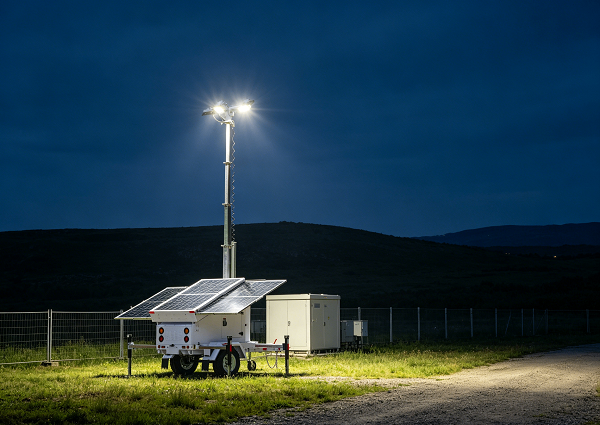
The modern LED solar lighting tower is not a compromise. It is a superior solution: brighter, smarter, and built to run 24/7 without fuel, without noise, and without the logistical headaches of diesel. Here is what that means in practice. Brighter: High-Output LED Performance That Competes With — and Beats — Diesel The most common misconception about solar lighting is that it cannot match the brightness of diesel-powered towers. That assumption is outdated. Today's LED solar lighting towers deliver lumen outputs that rival or exceed conventional diesel units. The VanGuard Solar Tower, for example, produces 94,000 lumens from four 100W LED fixtures, with a runtime of up to 22–25 hours at full brightness on a single charge. The Storike 4TNVE600 packs four 150W LED lamps delivering a total of 84,000 lumens. The PowerLink SL60K produces 90,000 lumens from a 1.5kWp solar array paired with 14.3kWh of battery capacity.
These are not experimental numbers. They are commercially available, field-tested systems delivering the kind of illumination that keeps haul roads visible, perimeters secure, and night shifts productive. What makes the difference? High-efficiency monocrystalline solar panels (now reaching 22% efficiency or higher) capture more energy per square foot. Paired with MPPT (Maximum Power Point Tracking) charge controllers that achieve up to 95% efficiency, these systems convert more sunlight into usable power. And the LED fixtures themselves — with efficacy ratings exceeding 150 lumens per watt — produce more light from less energy. The result is lighting that covers up to 32,300 square feet from a single tower, with mast heights reaching 20–25 feet and 360° rotation for precise targeting. For large-scale projects, that means fewer towers, lower equipment costs, and better coverage. Built for 24/7 Reliability: Designed to Perform in the Toughest ConditionsReliability is the cornerstone of any mobile lighting solution. If the lights go out, work stops, safety is compromised, and productivity suffers. Solar lighting towers are engineered to eliminate the failure points that plague diesel equipment. No moving parts means no engine maintenance, no oil changes, no fuel filters, and no starter batteries to replace. The only scheduled maintenance is periodic panel cleaning and battery replacement every 5–7 years. This translates to a 70% reduction in downtime compared to diesel units.
All-weather autonomy ensures performance through consecutive cloudy days. Systems with 5–7 days of battery reserve keep LEDs running through extended periods of low sunlight. Atlas Copco's second-generation solar towers, for example, operate in extreme temperatures ranging from -20°C to +45°C, while other units are rated for -40°C to +80°C. Rugged construction is standard. IP65, IP67, and IP68-rated components protect against dust, moisture, and water ingress. Galvanized steel masts resist corrosion. Wind ratings up to 117 km/h (Level 5) ensure stability in severe weather. And the LED fixtures themselves are rated for 50,000 hours or more of operation — nearly 10 years of typical use. For remote sites where service calls are expensive and slow, this durability is not a luxury. It is a necessity. The Financial Case: Lower Costs, Faster PaybackThe operational advantages of LED solar lighting towers translate directly to the bottom line. Fuel savings are immediate and substantial. A solar tower saves an average of 7 gallons of diesel fuel every day — at the current national average diesel price of approximately $4.67 per gallon, that equates to over $32 in direct daily savings per unit. For projects in higher‑cost regions like California, where diesel prices exceed $7 per gallon, the daily savings can reach nearly $50 per unit. Over a 30‑month project, solar area lights can save more than $300,000 (50%) compared with diesel. At remote mine sites, where delivered fuel costs include transport surcharges and handling fees, the savings are even greater. Maintenance savings compound the benefit. Diesel engines require regular servicing, oil changes, filter replacements, and repairs — all of which drive up operational expenses. Solar towers eliminate these costs entirely. Total Cost of Ownership (TCO) tells the complete story. Over a standard 10-year equipment lifespan, solar provides a 15% to 40% TCO advantage over diesel. Initial costs are offset by long-term savings, including up to 70% in fuel costs and up to 30% reduction in overall lighting expenses. Solar light towers typically pay for themselves within 1–3 years. The 30% ITC tax credit makes the financial case even stronger. Commercial solar lighting systems qualify for the Investment Tax Credit under Section 48E, providing a direct reduction in federal tax liability. Projects that begin construction by July 4, 2026 or are placed in service by December 31, 2027 can lock in the full 30% credit. Additional bonus credits — up to 10% for domestic content and up to 10% for energy communities — may apply. Solar Lighting Is the Fastest-Growing SegmentThe industry is taking notice. The global trailer-mounted solar light tower market was valued at $7.64 billion in 2026 and is expected to reach $12.18 billion by 2034, growing at a CAGR of 6.0%. The LED solar light tower market specifically is projected to grow from $2.4 billion in 2026 to $4.6 billion by 2034, at a CAGR of 8.5%. Drivers include cost savings, sustainability mandates, and the growing need for reliable off-grid lighting in construction, mining, emergency response, and events. The shift is not hypothetical — it is happening now. The New Standard for Mobile LightingThe LED solar lighting tower has evolved from an alternative to a default. It is brighter than many diesel units, smarter in its energy management, and built to deliver 24/7 reliability in the harshest conditions. It eliminates fuel logistics, reduces maintenance, and qualifies for federal tax credits that make the investment more attractive than ever. For project managers, fleet operators, and facility owners evaluating lighting solutions, the question is no longer "Can solar do the job?" It is "Why would we continue using diesel?" The answer, increasingly, is that there is no good reason. Solar lighting is ready. The technology is proven. And the savings are real. References
Most Popular
Industry News
The Basics
Solar FAQs
Inspiring Projects
Applications of Solar Lighting
|
ArchivesNo Archives Categories
Want More Info? |
LATEST NEWS & ARTICLES