How Lighting Simulation Helped an Arizona Soccer Club Save on Solar Tower InstallationPosted by Stephen Shickadance in Most Popular. Industry News. The Basics. Inspiring Projects. Applications of Solar Lighting.When a soccer club on an Arizona Indian reserve decided to upgrade its field lighting, the goals went beyond just brighter nights. The community wanted a solution that respected the land, eliminated the nuisance of diesel generators, and kept long‑term costs under control. What they didn’t expect was that a lighting simulation would cut their equipment needs from 13 towers down to 8 – saving thousands of dollars in upfront capital expenses before a single system was installed.
For sports clubs, reliable outdoor lighting is non-negotiable—especially for an Arizona soccer club balancing evening practices, youth leagues, and competitive matches. With the state’s intense sunlight and strict energy efficiency regulations, the club sought a sustainable alternative to traditional grid-powered lighting: high-performance LED solar light towers. But like many organizations, they faced a critical challenge: how to install the right number of mobile solar towers, in the optimal locations, to ensure full field coverage—without overspending on unnecessary equipment or dealing with inadequate lighting. That’s where lighting simulation became a game-changer, helping the club cut costs, avoid costly mistakes, and maximize the value of their solar investment. The Arizona soccer club’s initial goal was clear: replace diesel-powered lighting towers with solar-powered solutions to eliminate fuel costs, reduce maintenance, support sustainability goals, and maintain compliance with local sports lighting standards. (which require consistent brightness across the field to ensure player safety and fair play). However, without a clear plan for placement and quantity, the club risked two expensive pitfalls: installing too few towers and facing uneven lighting (leading to compliance issues and safety hazards), or installing too many and wasting money on excess equipment, installation, and long-term maintenance. Enter lighting simulation—an advanced tool that uses 3D modeling and data analysis to predict how solar light towers will perform in a specific location, before any installation takes place. For the Arizona soccer club, this technology eliminated the guesswork, turning their solar lighting project from a risky investment into a precise, cost-effective solution. Here’s how lighting simulation transformed their installation process and delivered significant savings.
The Challenge: Diesel Doesn’t Belong on a Soccer FieldThe club had been renting diesel light towers for evening practices, training sessions, and occasional exhibition games. But the drawbacks were impossible to ignore:
The club wanted a clean and quiet lighting solution. Mobile solar lighting towers—deployed without trenching or permanent foundations—were the obvious answer. But how many towers would they really need?
The Solution: Lighting Simulation Before InstallationInstead of guessing or overspecifying, the club’s solar provider used a lighting simulation tool to model the entire soccer field. The simulation took into account:
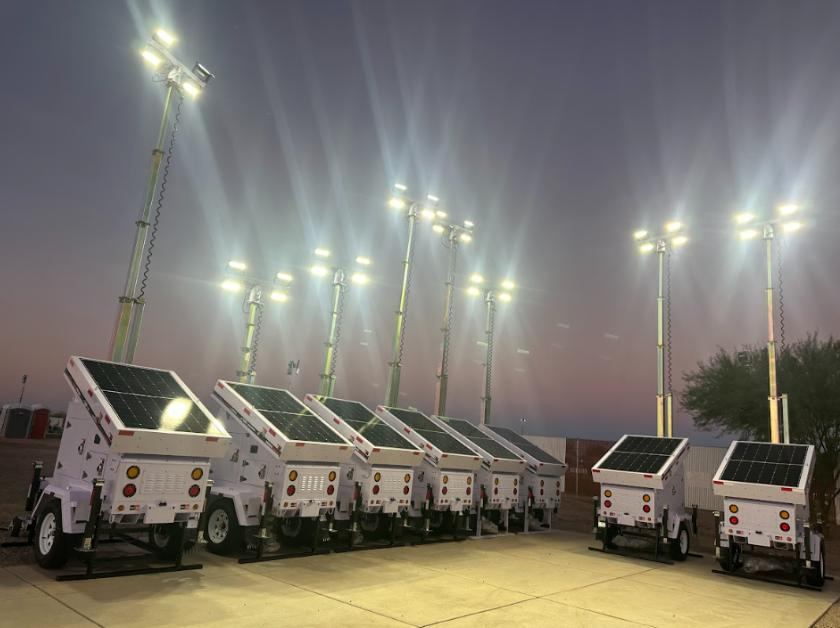
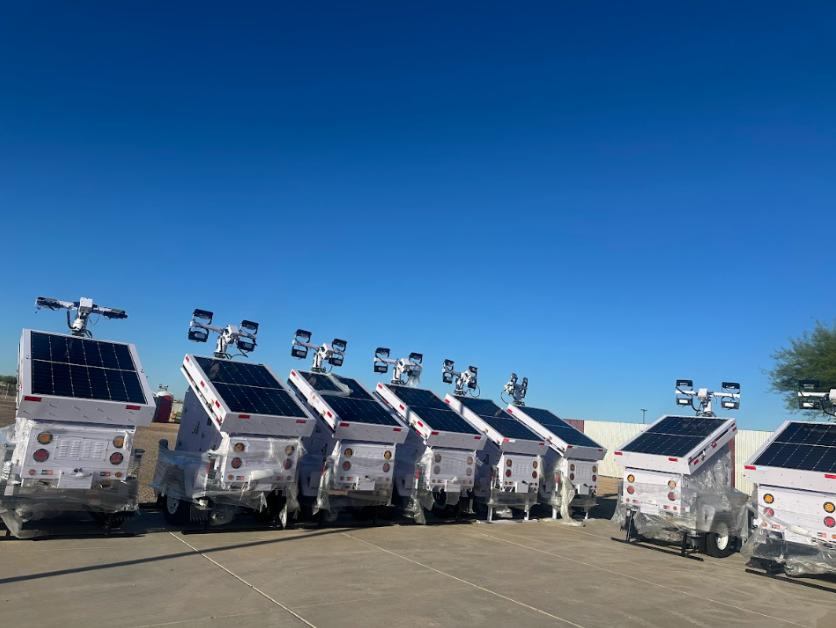
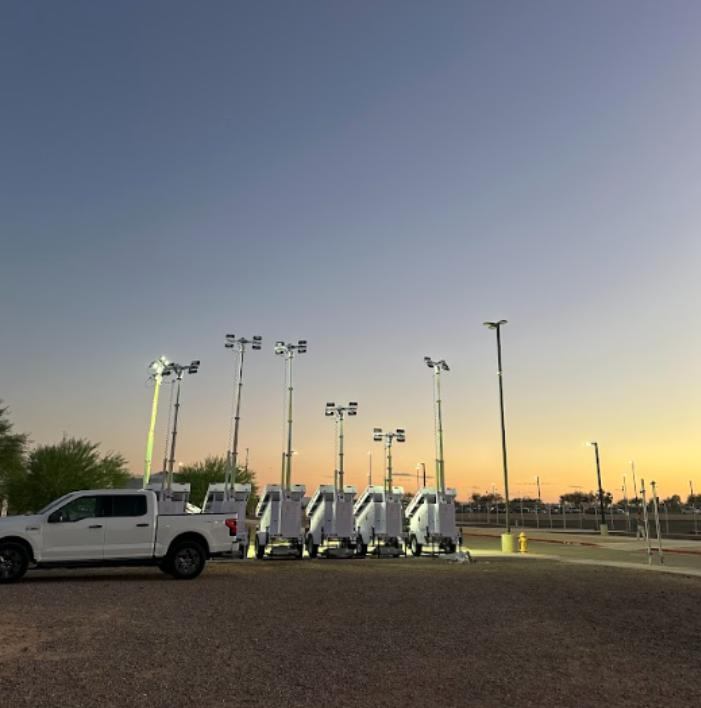
The simulation revealed something surprising. The initial “rule of thumb” estimate called for 13 solar towers. But by optimizing placement, adjusting mast heights (up to 20 feet), and fine‑tuning LED angles, the same illumination level could be achieved with only 8 towers. That is a reduction of more than 27% in equipment count – and a direct reduction in capital expenditure. Why Mobile Solar Towers? No Trenching, No Ground DisturbanceBecause the soccer club sits on Indian reserve land, preserving the integrity of the ground was a priority. Traditional lighting would have required:
Mobile solar light towers eliminated all of that. Each tower is a self‑contained, trailer‑mounted unit that simply sits on the ground. No concrete base. No digging. No permanent alteration to the soil. The land remains exactly as it was – a key requirement for the community. And because the towers are mobile, the club can easily relocate them as needs change. Need to light a different practice area or reposition for a special event? A small vehicle moves the tower in minutes. No demolition, no patching, no mess. This combination of zero trenching and full mobility makes mobile solar towers the ideal solution for sensitive sites like tribal lands, parks, and any location where ground disturbance is prohibited or undesirable. Financial Impact: Lower CAPEX, Faster PaybackThe reduction from 13 to 8 towers had an immediate financial benefit. Assuming a fully installed cost of roughly $12,600 per tower (after the 30% federal ITC tax credit), saving five towers meant:
The club also qualified for the 30% Investment Tax Credit (ITC) , further reducing the net cost of the solar system. Combined with the elimination of diesel fuel and rental payments, the payback period dropped to under 24 months. Operational Benefits: Quiet, Clean, and Always ReadyThe switch to solar brought immediate quality‑of‑life improvements:
The club now hosts evening training sessions, youth games, and community events without disturbing the reserve’s peaceful environment. A Blueprint for Other Tribal and Sun Belt CommunitiesThis Arizona soccer club’s experience offers a replicable model for other Indian reserves and Sun Belt states:
For any community that values quiet, clean air, and undisturbed land, solar light towers are no longer a compromise – they are the best solution. Less Equipment, Better ResultsThe Arizona soccer club originally expected to need 13 solar towers based on rough estimates. However, after a detailed lighting simulation, the same illumination levels were achieved with only 8 towers – a reduction of 5 units. This reduction directly lowered the club’s capital expenditure. With each tower costing approximately $12,600 after the 30% federal ITC tax credit, saving 5 towers meant:
The club now enjoys superior, silent, emission‑free illumination – with a lower initial investment and faster payback than originally projected. For tribal lands, rural communities, and any organization looking to light outdoor spaces without trenching or diesel, the lesson is clear: simulate first, then build. The savings are real.
Most Popular
Industry News
The Basics
Inspiring Projects
Applications of Solar Lighting
|
ArchivesNo Archives Categories
Want More Info? |
LATEST NEWS & ARTICLES