Why Disaster Relief Solar Tower Lighting is a LifesaverPosted by Stephen Shickadance in Most Popular. Industry News. Applications of Solar Lighting.When darkness falls after a disaster, reliable light isn't just a convenience—it's a matter of life and death. In the critical hours following a natural disaster—hurricanes, earthquakes, floods, or wildfires—emergency responders face a race against time. Search and rescue operations, medical triage, shelter setup, and infrastructure repairs don't stop when the sun goes down. Yet in disaster zones, fuel supplies are often disrupted, roads are impassable, and power grids are down. This is where solar-powered light towers transform from an alternative into a lifeline.
The Challenge: Lighting in the ChaosTraditional diesel light towers have been the go-to solution for emergency lighting for decades. But disasters expose their critical vulnerabilities: Fuel shortages: Gas stations are closed or destroyed. Fuel deliveries cannot reach affected areas. Transportation barriers: Blocked roads prevent refueling crews from reaching deployed towers. Supply chain breakdown: The very infrastructure needed to keep diesel towers running is often the first to fail. Noise pollution: Generator noise can interfere with communication and disturb survivors in shelters. Safety risks: Storing and transporting fuel in disaster zones creates fire and spill hazards.
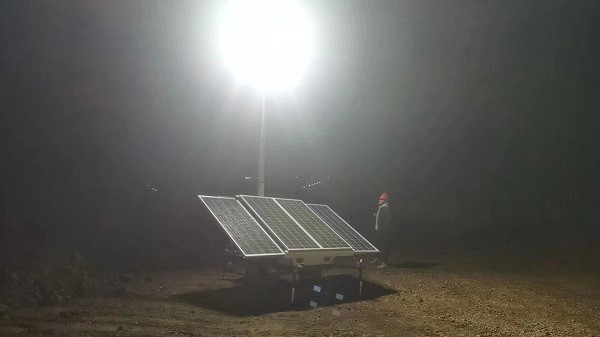
The Solution: Solar Light TowersSolar light towers are designed for exactly this scenario: rapid deployment, zero fuel dependency, and reliable operation when it matters most. 1. Immediate DeploymentWhen every minute counts, solar towers eliminate the logistical bottleneck of fuel. They arrive on site, are positioned in minutes, and begin charging immediately—even on cloudy days. No waiting for fuel trucks. No searching for open gas stations. 2. Fuel IndependenceIn the aftermath of Hurricane Maria in Puerto Rico, diesel generators became useless once fuel supplies ran out. Solar towers, however, continued operating day after day, powered entirely by the sun. When fuel infrastructure collapses, solar keeps working. 3. Silent OperationDisaster zones are already chaotic. The constant drone of diesel generators adds stress to survivors and interferes with responder communication. Solar towers operate in complete silence—allowing medical personnel to hear patients, search teams to coordinate, and families to rest. 4. Low MaintenanceWith no engines, no oil changes, and no moving parts, solar towers require minimal attention from already overstretched emergency crews. They don't need refueling runs, filter replacements, or mechanical repairs. 5. Environmental and Safety BenefitsSpilled fuel in a disaster zone can contaminate water supplies and create fire hazards. Solar eliminates this risk entirely. There's no stored fuel to leak, no emissions to pollute the air survivors are breathing, and no hot engine parts to cause burns. Real-World ImpactCase Study: Hurricane ResponseWhen Hurricane Ian struck Florida, emergency responders deployed solar light towers to: Illuminate search and rescue operations through the night Power medical triage tents at shelters Light up debris removal zones Provide security at supply distribution points While diesel towers in the same areas required daily refueling runs through damaged roads, solar towers operated continuously for weeks without a single fuel stop. The timing of rising diesel prices has further underscored the value of solar alternatives, as fuel costs can quickly eat into limited disaster relief budgets. Adding to this value is the Federal Solar Tax Credit (ITC), formally known as the Clean Electricity Investment Tax Credit under Section 48e, which offers a 30% credit for commercial solar projects—including mobile solar light towers—provided construction begins before July 5, 2026. To meet this deadline, orders must be placed by March 27, 2026, ensuring equipment is manufactured, delivered, and on-site in time to qualify. This incentive, combined with the savings from avoiding rising diesel costs, creates a rare opportunity for organizations to invest in solar lighting systems at a reduced upfront cost, stretching their relief budgets further and enabling them to support more communities in need. Sustainability is another key benefit of solar disaster relief lighting, especially in areas already devastated by environmental disasters. Diesel light towers emit greenhouse gases, noise, and pollutants, which can exacerbate air quality issues and disrupt already stressed communities. Solar towers, by contrast, produce zero emissions and operate quietly, making them ideal for disaster zones where air quality is poor and residents are seeking refuge from chaos. For relief organizations prioritizing environmental responsibility, solar lighting not only reduces their carbon footprint but also aligns with the growing demand for eco-friendly emergency solutions—enhancing their reputation and fostering trust with the communities they serve. The versatility of modern solar mobile light towers further solidifies their role as a lifesaver in emergency response. Disaster zones vary widely in climate and conditions, from sweltering tropical regions to freezing cold areas, and solar towers are engineered to perform reliably in all environments. Models like the Allta Pro, equipped with high-density lithium batteries optimized for temperate climates, deliver consistent performance in warm, humid conditions, while GEL battery systems—found in industry-leading models like the Supera and Brighta—are remarkably resilient in ultra-cold temperatures and fluctuating weather. Unlike diesel towers, which require climate-specific adjustments and are prone to failure in extreme conditions, solar towers offer autonomous operation, drawing energy from the sun to provide consistent lighting regardless of the environment. This versatility ensures that relief teams have the lighting they need, no matter where disaster strikes. For rental fleets that support emergency response efforts, the shift to solar mobile light towers is becoming a competitive necessity. As diesel costs rise and environmental regulations tighten, rental companies that offer solar alternatives can provide greater value to relief organizations, government agencies, and first responders. The exclusive spring promotions—including $1,000 off per Mobile Solar Tower (MST), 10% off Allta Pro systems, and 5% off Porta Systems—valid for orders placed by March 31, 2026, further sweeten the deal, making it easier for rental fleets to upgrade their inventory and meet the growing demand for sustainable, reliable emergency lighting. In disaster relief, reliability, speed, and cost-efficiency are non-negotiable. Solar mobile light towers check all these boxes—and more. They eliminate the need for fuel, reduce maintenance headaches, deploy quickly, and operate sustainably, all while offering long-term cost savings and access to federal incentives. When disaster strikes, the last thing relief teams need is equipment that fails, costs too much, or harms the environment. Solar disaster relief lighting isn’t just a “green alternative”—it’s a lifesaver, empowering responders to work faster, safer, and more effectively, and helping affected communities rebuild sooner. As the frequency and intensity of natural disasters continue to rise, solar mobile light towers are emerging as an essential tool in the emergency response toolkit—proving that when the lights go out, solar power can shine a path to recovery.
Most Popular
Industry News
Applications of Solar Lighting
|
ArchivesNo Archives Categories
Want More Info? |
LATEST NEWS & ARTICLES